

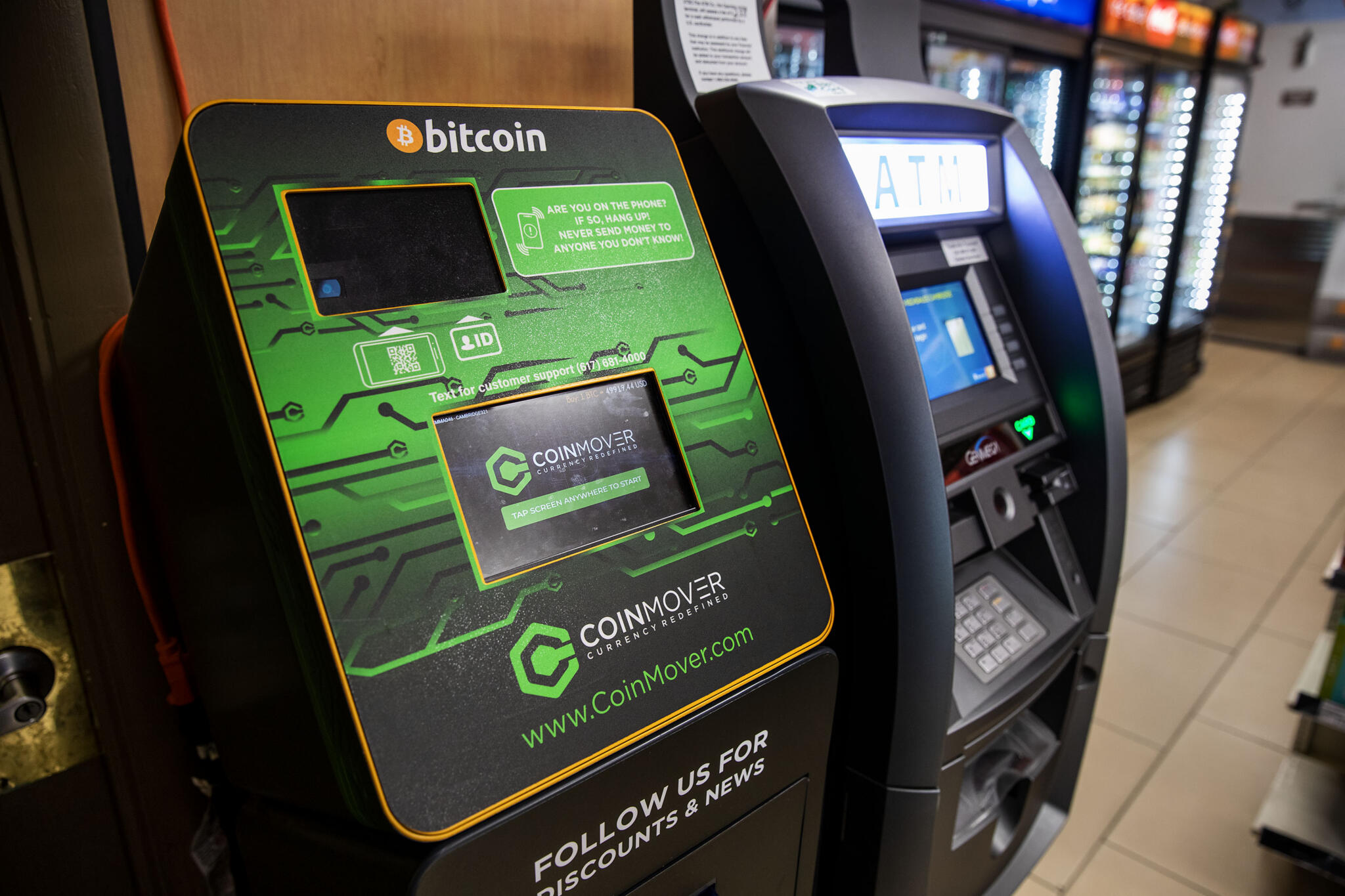
The Springfield City Council is preparing to consider a full ban on cryptocurrency kiosks. Local leaders want to take this step to stop scammers from tricking residents into sending them money. If the plan moves forward, these physical machines will not be allowed to operate in the city.
Why is Springfield considering a ban on cryptocurrency kiosks?
Many city leaders worry that cash machines for digital coins make it too easy for criminals to steal funds. A person gets a scary phone call or a fake message asking for quick payment. The victim then walks up to a street kiosk, puts cash in, and sends digital tokens directly to a thief.
Problems with fraud have grown alongside the rise of digital money. Public records on Cryptocurrency and crime show that physical kiosks often become targets for bad actors who target older people. Springfield officials hope that removing these kiosks will cut off one of the fastest paths scammers use to take hard-earned savings.
What are cryptocurrency kiosks and how do they work?
A cryptocurrency kiosk looks like a standard bank ATM you see in a grocery store or gas station. Instead of giving you paper money from your bank account, it lets you buy or trade digital coins with cash. Anyone can walk up to one, feed paper bills into the slot, and send the balance to a digital wallet address.
These machines are popular because they are fast and do not always require a regular bank account. However, this quick setup also attracts thieves who want money that cannot be clawed back. Here are a few quick facts about these machines:
- They let users buy Cryptocurrency with physical cash bills.
- Transactions happen in minutes and cannot be cancelled once sent.
- They often charge higher fees than regular online coin exchanges.
- Scammers use them because the stolen funds move right away.
How will this ban affect everyday crypto users?
If the city votes for a full ban, regular buyers will have to change how they purchase coins. People who live in Springfield will no longer be able to visit a corner store to buy tokens with paper bills. Instead, they will have to set up accounts on online exchanges and connect their standard bank accounts.
Online buying takes more time because platforms ask for photo IDs and proof of address before users can trade. While this extra step can feel slow, city leaders believe it adds safety. Scammers usually avoid slow systems because police can track bank transfers much more easily than anonymous cash drops.
What steps should local residents watch for next?
The proposal must first go before the Springfield City Council for open debate and a vote. Business owners who host these machines and residents who use them will likely get a chance to share their views. If the council votes yes, the city will set a date for operators to turn off the machines and haul them away.
Other towns across the country are watching this vote closely to see how Springfield handles the problem. If Springfield passes a total ban, more towns might copy the rules to keep scams out of their own neighborhoods. For now, local buyers should check their options and learn how to keep their digital funds secure without using street machines.




No comments:
Post a Comment